
✨ Discover Your Perfect Fulani Braid Style — Take the Quiz →
Home What Are Fulani Braids All Styles How-To Guide Cost Guide History & Meaning Find Your Style
Independent informational guide to Fulani braids — not affiliated with any salon, brand, or product line
HomeHow Long Do Fulani Braids Last
Lifespan Guide

How Long Do Fulani Braids Last?

A realistic week-by-week breakdown of how the style holds up, what shortens it, and how to know when it's time for a refresh.
By Fulani Braid Team  ·  Updated June 2026
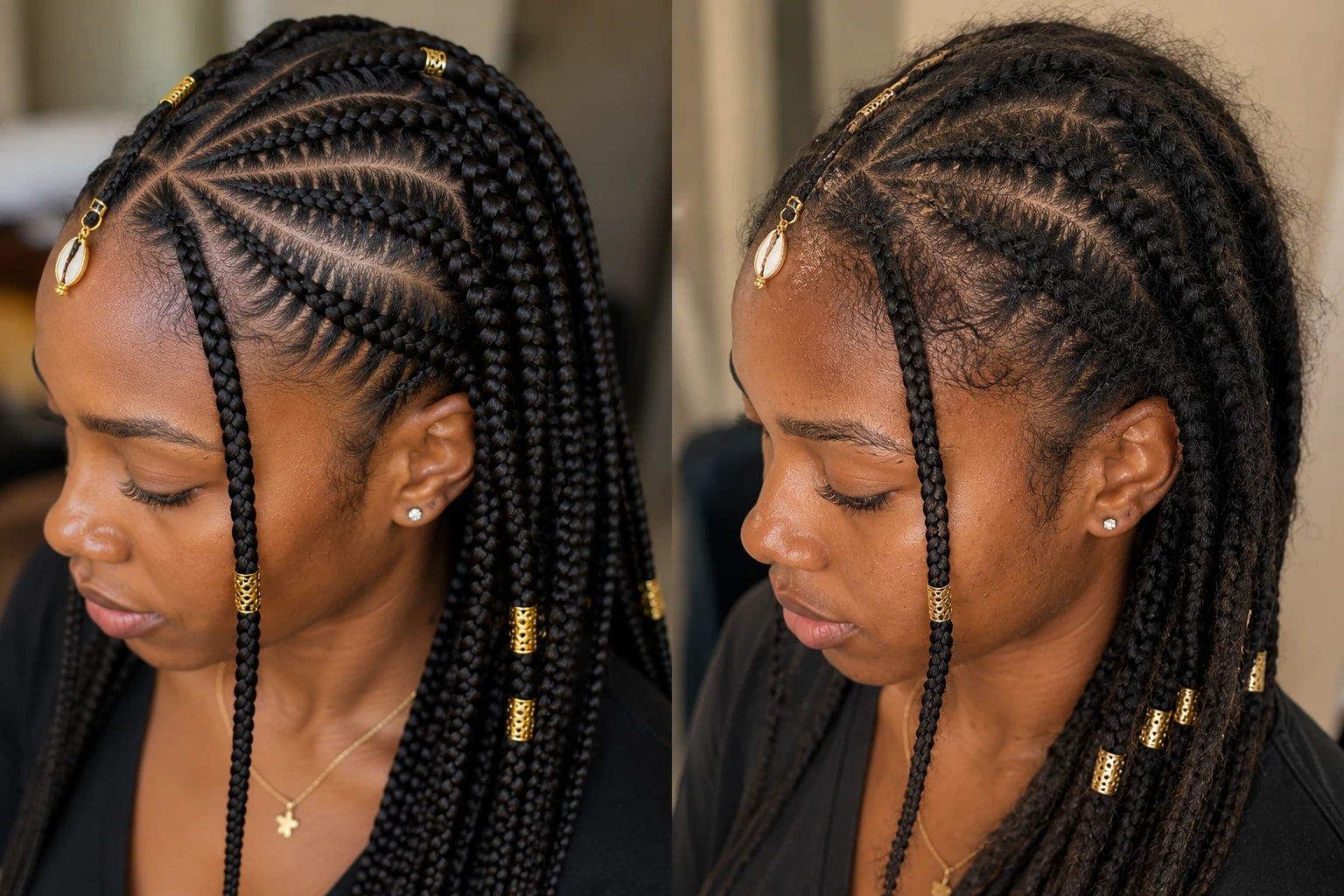
Side-by-side comparison of fresh versus several-weeks-old Fulani braids
4–8 wksTypical Lifespan
10–12 wksWith Diligent Care
Wk 3–4New Growth Visible
Wk 6–8Recommended Removal

The Real Timeline

Fulani braids typically last 4 to 8 weeks with proper care, though some people stretch them to 10-12 weeks with very diligent maintenance — though most braiders wouldn't recommend going that long, since scalp health starts to suffer past that point regardless of how well the braids themselves hold up.

Week 1

Fresh and Sharp

Braids sit at their tightest and most defined. Some scalp tightness is normal and usually eases within a few days.

Weeks 2–3

Settling In

Tension relaxes, braids move more naturally, and the style is at its most comfortable and lowest-maintenance phase.

Weeks 3–4

New Growth Appears

Roots become visibly looser as natural hair grows out, especially noticeable along the center cornrow and edges.

Weeks 5–6

Frizz Increases

Edge frizz becomes more visible day to day. Regular edge control touch-ups help, but the crisp original look starts to fade.

Weeks 6–8

Time to Refresh

New growth at the roots becomes too prominent to manage easily, and it's generally the right window to take the style down.

Does Braid Size Change the Timeline?

Yes. Smaller braids generally hold their shape longer than jumbo braids since they have less weight pulling at the root, but they also show new growth more visibly sooner because the parts themselves are smaller and tighter.

Braid SizeTypical LifespanNotes
Small / Micro6–8 weeksShows new growth fastest, holds shape longest
Medium5–7 weeksBalanced option, most common choice
Jumbo4–6 weeksHeavier sections loosen at the root faster

What Shortens the Lifespan

Skipping nightly satin protection, excessive sweating without rinsing, frequent touching or fidgeting with the edges, and pushing well past 8-10 weeks all visibly shorten how good the style looks over time, even if the braids themselves haven't fully unraveled. See the full Maintenance Guide for the daily and nightly habits that help you get the most out of every install.

Tip: If you notice matting starting at the roots before week 6, that's a sign to take the braids down early rather than waiting — matting that sets in is much harder on natural hair to detangle out safely.

Frequently Asked Questions

How long do Fulani braids last on average? +
Fulani braids typically last 4 to 8 weeks with proper care, though some people push them to 10-12 weeks with very diligent maintenance.
Do smaller braids last longer than bigger ones? +
Smaller braids generally hold their shape longer than jumbo braids since they have less weight pulling at the root, but they also show new growth more visibly sooner.
What shortens the lifespan of Fulani braids? +
Skipping nightly satin protection, excessive sweating without rinsing, frequent touching of the edges, and going past 8-10 weeks without a break all shorten how good braids look over time.
When should I take my Fulani braids out? +
Take braids out once new growth becomes too prominent, the scalp feels persistently itchy or sore, or the braids start matting at the roots, typically between 6 and 8 weeks.
FB

Fulani Braid Team

Licensed Braiding Specialist — 8 Years Experience

This guide is independently researched and written by our editorial team, drawing on hands-on braiding experience. All guides are independently researched and written from hands-on braiding experience.

Independent informational website — not affiliated with any salon or brand.  |  Disclaimer  |  Privacy Policy  |  Contact